
One Strategic Event > A Full Calendar
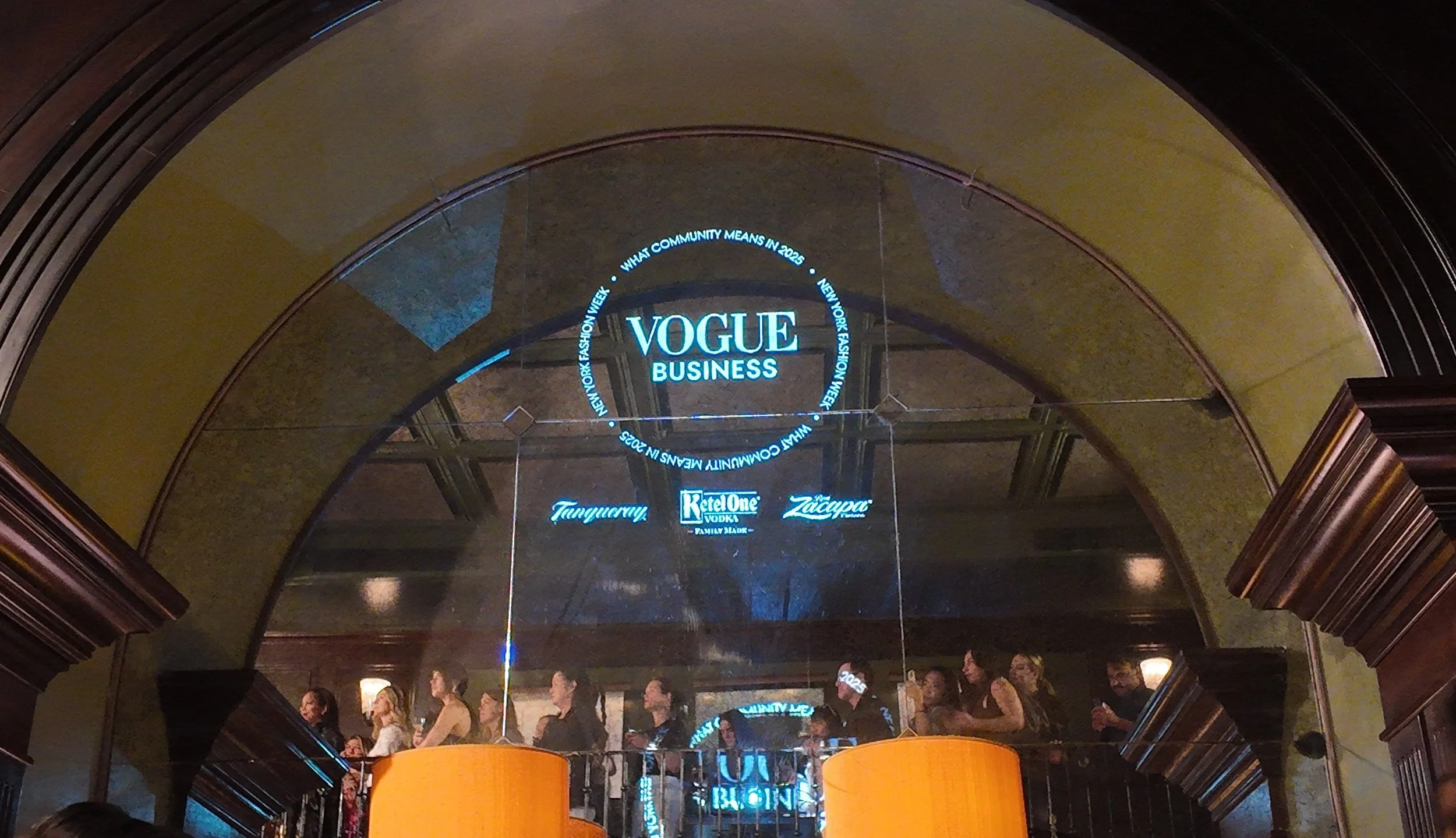
Around this time, pre-COVID, I would have been teetering on the edge of burnout from attending up to twenty events during Seattle's September fashion calendar. I loved moving through so many different rooms and connecting with like-minded fashion lovers at fashion shows, trunk shows, pop-ups, panel discussions, and fashion-focused exhibit openings. I don't regret pushing my social energy to the limit, but I'd never set my calendar up like that again.
That's one of the reasons why I decided to sit New York Fashion Week out this year. Curating the NYFW SS27 Guide gave me severe FOMO seeing all the events I was going to miss, but lately, I've been thinking about event attendance differently. Instead of spreading my energy across multiple events over a full week, I want to attend more anchor events that allow me focused time in environments that will actually move the needle in my career. I'm also thinking about the value I bring to the events I choose to attend.
Your Event ROI Is More Than the Ticket Price
When we talk about an event's return on investment (ROI), the conversation usually starts with what we might get out of it.
Will I meet someone who could help me professionally?
Will I learn something useful?
Will this event help me build my network?
All valid questions. Your time, money, and energy are valuable and worth intentional consideration. But event ROI isn't always immediately measurable. You probably won't leave with a job lead or a new client. Instead, you might get one or two meaningful conversations, a fresh business perspective, or discover a new resource. Sometimes the value is more about what you contribute.
Ask Yourself Two Questions
Before deciding whether an event is worth attending, ask yourself:
What am I hoping to get from this room?
This helps you determine if an event aligns with your goals. Whether you're actively job hunting, looking to meet potential collaborators, building a business, or finding people who share your interests, your goal should be specific and tied to what you want the event to do for you.
Build your strategy by considering things like:
The types of people you want to meet
Topics you want to have conversations about
New ideas or perspectives you want to learn
Increased proximity to new opportunities
What am I bringing into this room?
This helps you determine whether you're showing up as a participant in a community or simply as a consumer of one. You may have expertise that could amplify the room, make a few strategic introductions, or you may be just curious and want to meet new people. The key is to know what role you can play so your presence adds value.
You don't have to be the most accomplished person in the room, have a huge online following, or even know exactly what you're doing to contribute. Being an engaged participant can be enough when you:
Ask thoughtful questions
Share a resource
Listen to someone's story and encourage their work
Make an introduction when there's a genuine connection to be made
Make space for a conversation that isn't immediately about what you can get from someone
You don't need to arrive with a five-step networking strategy and a stack of business cards. Simply try contributing by being present enough to engage with the people around you.
Choose the Event That Suits Your Season
This was a hard lesson for me to learn... and stick with. Usually, when you think about the fashion industry, your mind immediately envisions runway shows. Frantic PR girls with clipboards rushing celebrities and influencers to their front-row seats while you're completely oblivious to the chaos happening backstage. Maybe you believe that if you can't get an invite to a high-profile show during Fashion Week, you won't be able to make any real connections and move your career forward.
But try looking at it differently. If everyone's running around like headless chickens, how can you grab anyone's attention long enough to have real conversations or make a memorable connection? Fashion shows are mostly marketing tactics where designers debut their collections and attendees try to get the best photo angles for street style coverage, social media, or industry press. They're a place to be seen, not necessarily a place to connect.
There are so many other (and better) opportunities to show up and actually engage. Here are a few examples that may fit different goals:
If you're actively job hunting, a curated networking mixer where you can actually talk to people in your target field might provide a better return than a large industry conference.
If you're launching a business, look for conferences or founder-focused gatherings to gain perspective and effective business tactics.
If you're trying to build a creative community, attend recurring creative talks or local gatherings to cultivate relationships over time.
If you're looking to learn from industry professionals, a webinar or intimate panel discussion may be more valuable and offer opportunities to ask more questions.
The point isn't that while fashion shows, conferences, or networking mixers offer heightened visibility, they aren’t always the most valuable for your particular goal. The right event is the one that matches what you want to get out of the room and what you can bring into it.
And if you're trying to build relationships within a particular cultural or professional community, concentrating your energy around one well-aligned event may make more sense than scattering yourself across an entire week of unrelated events. That's part of why I'm using CultureCon as an anchor event this fall. One place where I can intentionally spend time, meet people, participate in conversations, learn, and see what relationships develop from just being in the room.
Your Calendar Is a Budget, Too
First, there's the financial budget: the ticket price, flight and hotel costs, meals, transportation, outfits, and whatever else comes with confidently entering a new environment with the intention of adding value to the community. Then there's the energy budget, which deserves just as much attention.
If attending six events means you're too exhausted to have meaningful conversations at any of them, that's probably not the best strategy. Sometimes the smarter choice is to attend fewer events and participate intentionally. You don't have to be everywhere. And sure, now and then FOMO might get you down, but when you remind yourself of the spaces you did occupy and how you moved through them with purpose, you may realize that being everywhere was never the goal in the first place.
The best events aren't just places where you collect experiences, contacts, or opportunities; they're also places where you become part of the community. And that's a better ROI if you ask me.